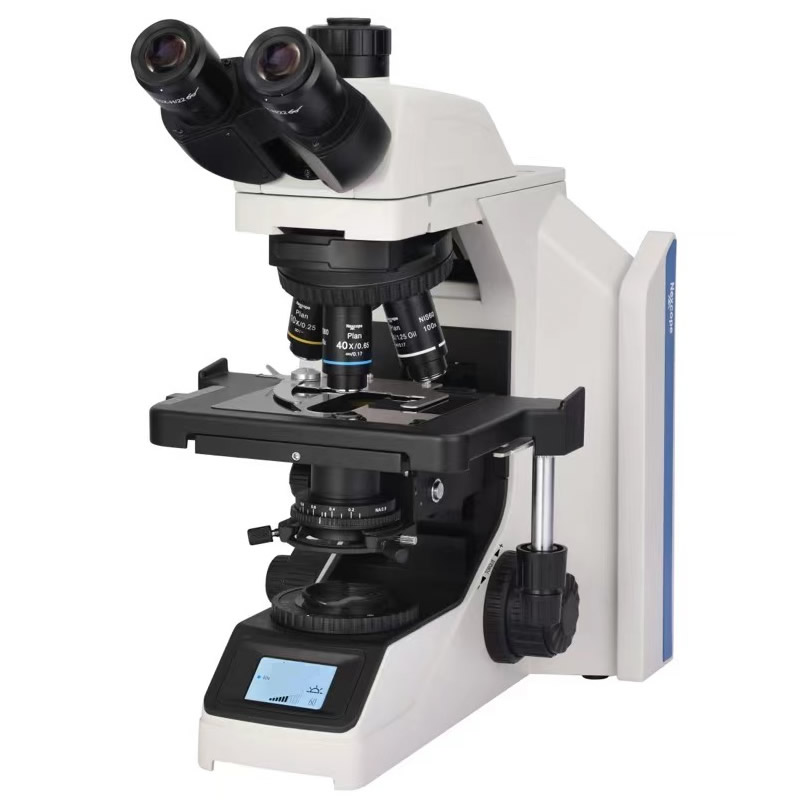
CPD.06.N700
Biological Microscope
Designed for biological specimens and advanced research applications.
Product Information MicroscopeViệt Nam
🌐 https://microscopevietnam.com • Exclusive & Authorized Distribution Nationwide
Providing comprehensive solutions in biomedical microscopes, stereo microscopes for SMT and semiconductor microchip inspection, 4K Ultra HD digital imaging systems, and metallurgical microscopes for precision measurement at the micron level.
We are committed to supplying products with complete international Certificates of Origin (CO) and Certificates of Quality (CQ), offering on-site product demonstrations, and providing a 24-month official manufacturer’s warranty.

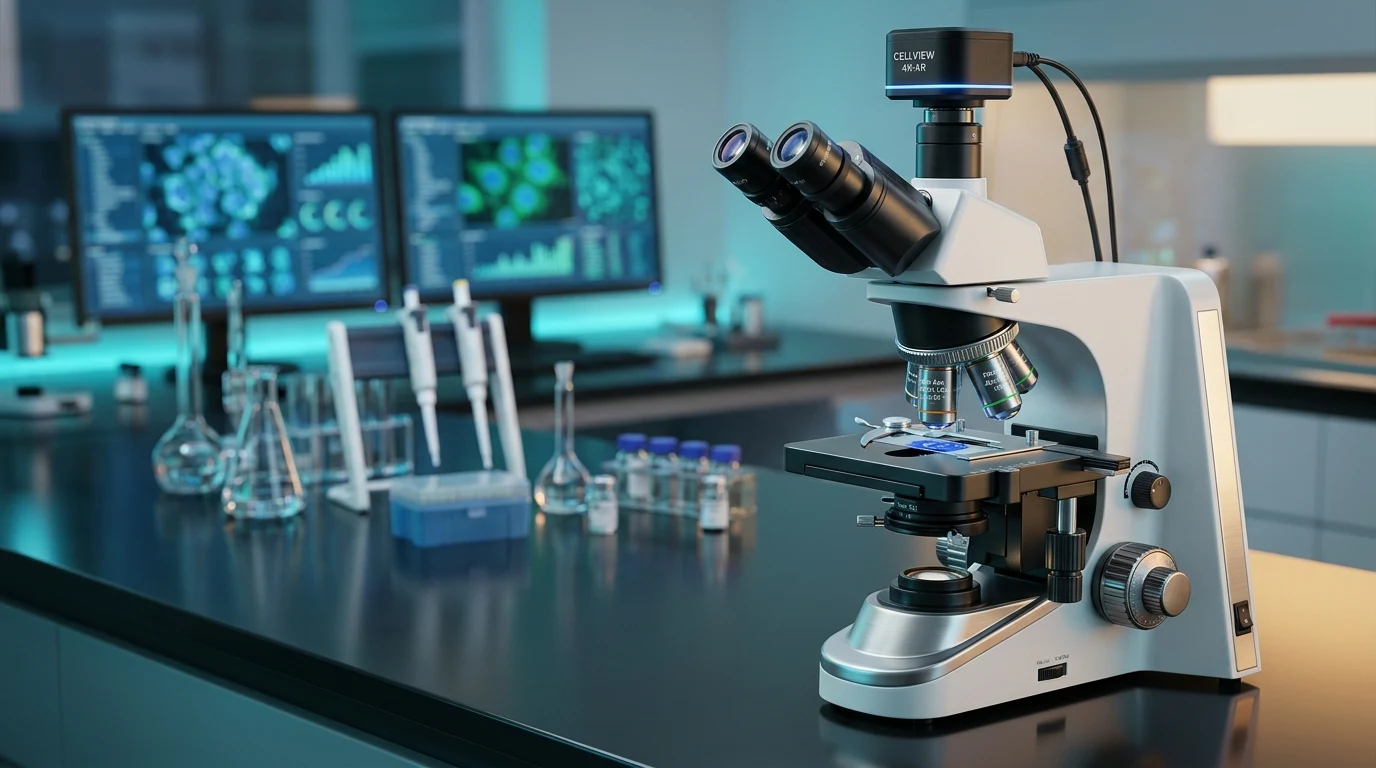
🌐 CPD.06.N700 & NB910 Series — Infinity Plan Optical System • FN 26.5 mm
Advanced infinity-corrected optical system featuring Plan Achromatic objectives, multi-channel LED fluorescence illumination, and phase contrast capabilities. Optimized for cytological testing, pathological diagnosis, medical microbiology, and advanced academic and institutional teaching.
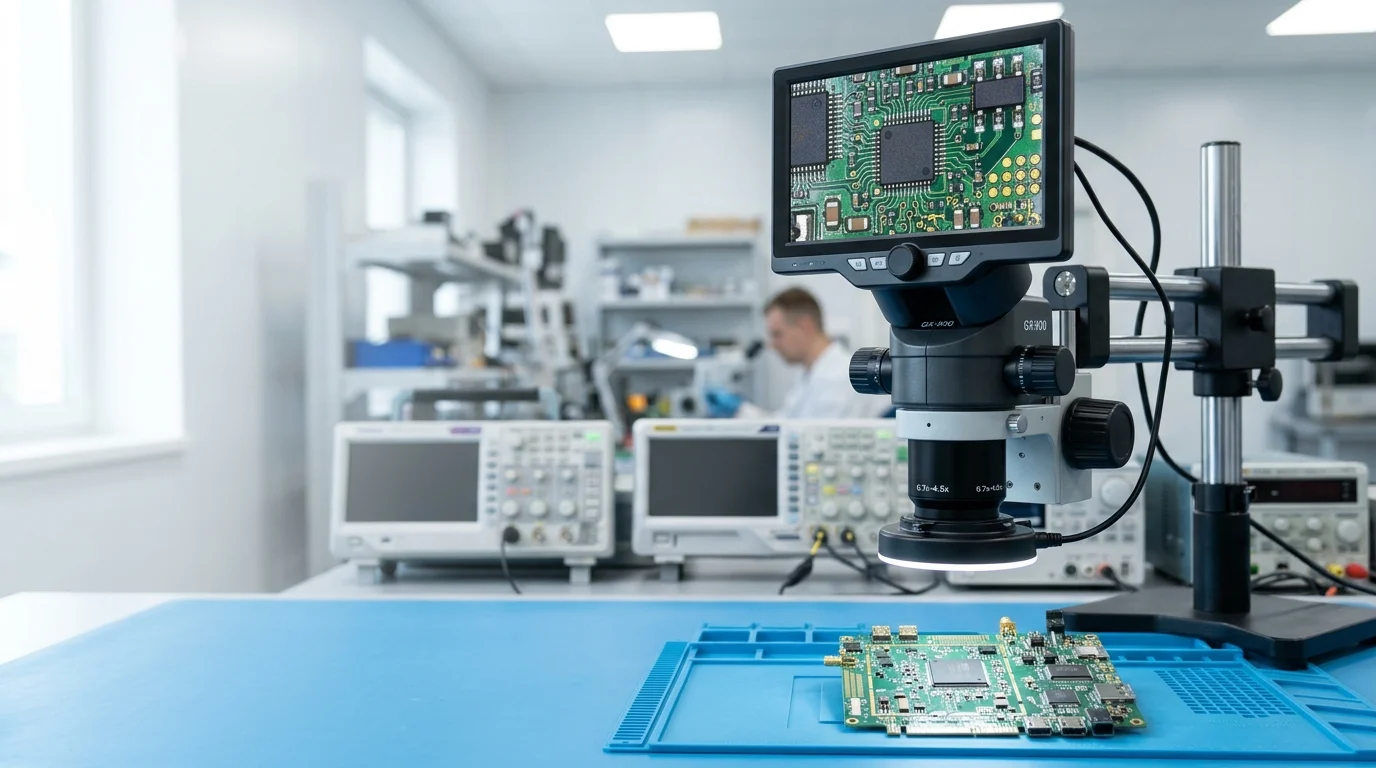
🌐 LCD.06.E620B & ZOM.20.B645 Series — Optical Zoom Range: 0.75x–13.5x
Extended 110 mm working distance, 4K LCD imaging sensor with smooth 60 fps performance, real-time microscopic dimensional measurement, and simultaneous HDMI/USB connectivity. An ideal solution for SMT PCB inspection, semiconductor component analysis, and precision mechanical engineering.
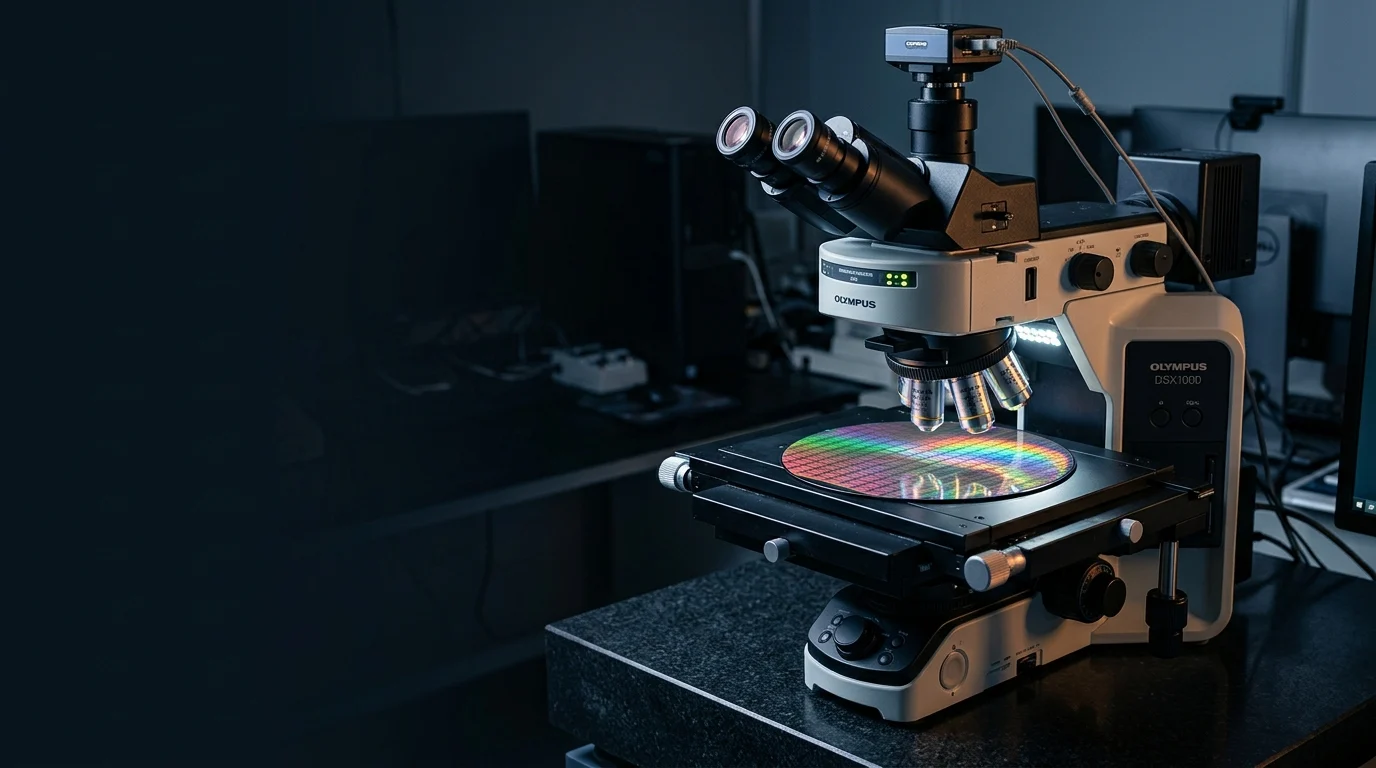
🌐 MTL.61.M60BD & MTL.61.812BD Series — Brightfield / Darkfield / DIC Observation
Supports both reflected and transmitted illumination, Differential Interference Contrast (DIC) technology, and a large-travel, anti-static ESD mechanical stage. Designed for analyzing surface defects in metals, inspecting microelectronic circuits, and examining advanced thin-film materials.
01 / Start with what you want to see

The right microscope helps you see what matters: the structure of a prepared slide, the surface of a component, or fine details on a specimen. What matters most is how you use the instrument in your daily work.
Consider your working posture, viewing head design, and adjustment capabilities when using the microscope for extended periods.
With a compatible camera configuration, images can be used for discussion, presentations, or documentation of the observation process.
Discuss your application02 / Featured microscope series
Every application requires a different observation solution. Start with four featured microscope series.
CPD.06.N700
Designed for biological specimens and advanced research applications.
Product Information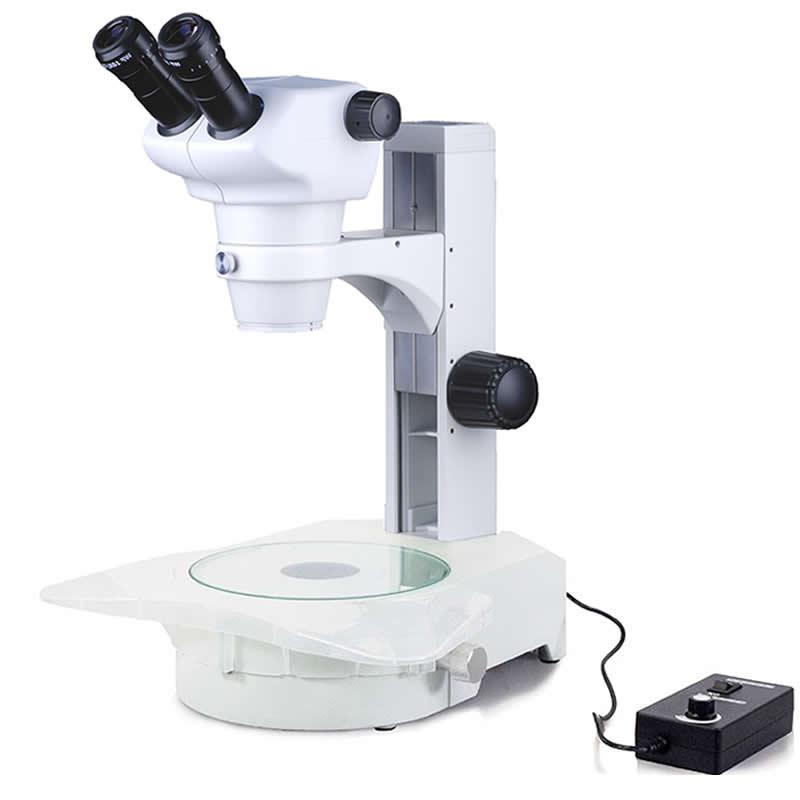
ZOM.20.B645-NK
For surface inspection and direct specimen manipulation.
Product Information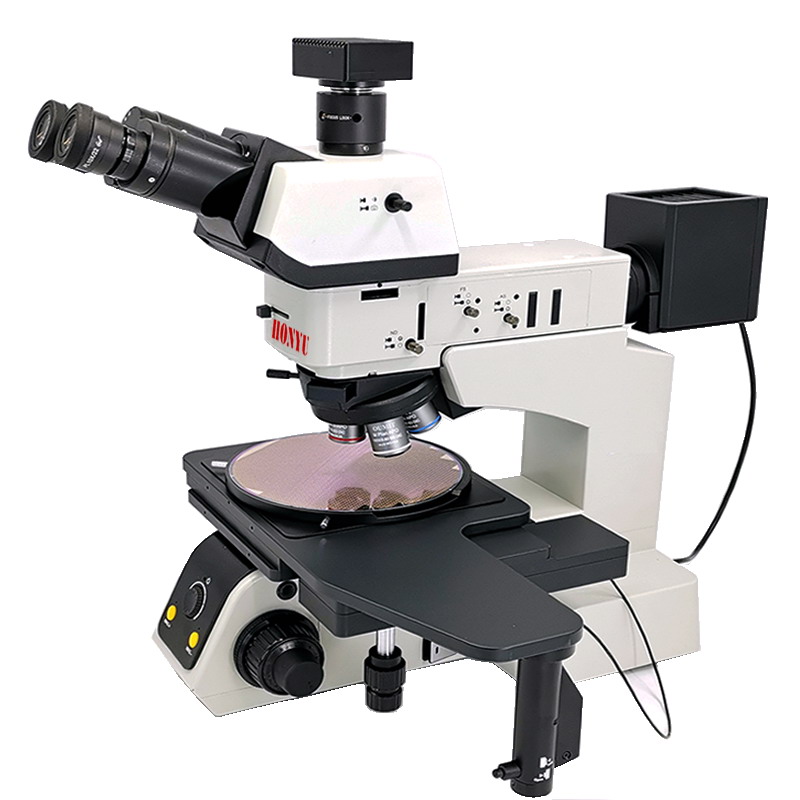
MTL.61.M60BD
Wafer inspection with bright-field and dark-field observation.
Product Information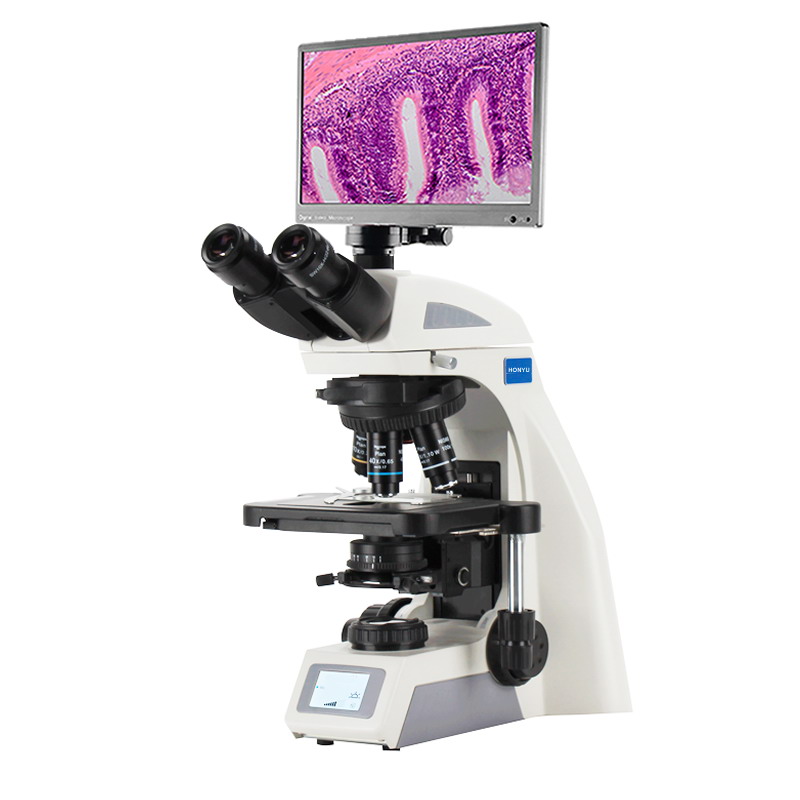
LCD.06.E620-4KM20
Biological observation with 4K digital imaging.
Product InformationModels and images sourced from the Ningbo HONYU catalogue. Available configurations, pricing, and warranty terms are confirmed upon request.
Turn observation into a shared experience. Explore the LCD.06.E620-4KM20 Digital Biological Microscope for specimen imaging and digital display applications.
03 / From specimens to applications
Choose according to your application to find a more suitable solution.
For first discoveries in the classroom. Prioritize intuitive operation, clear observation, and suitability for educational programs.
Explore Biological MicroscopesExamine specimen structures in greater detail. Select an optical system based on your observation methods and imaging requirements.
Discuss Your Research SpecimensFocus on every surface detail. Consider specimen dimensions, working distance, and inspection requirements in production environments.
Explore Metallurgical MicroscopesNot sure which microscope series to start with?
A specimen image, its actual dimensions, and the details you want to examine will help make the consultation more specific. We can help you evaluate the appropriate observation method before selecting a model.
View the configuration selection guide04 / Choose the right solution, not simply more features
Four questions can help narrow down your options before exploring detailed configurations.
Thin prepared slides, solid specimens, or metal surfaces? The specimen type helps determine whether a biological, stereo, or metallurgical microscope is more suitable.
Overall appearance, direct specimen manipulation, or fine structural details? These objectives should be considered alongside the optical system rather than relying solely on magnification figures.
Do you observe directly through the eyepieces or share images on a screen? Let us know your imaging, presentation, and workspace requirements so we can check connectivity options.
Determine the budget for the complete system, including the microscope body, objectives, illumination source, camera, adapter, and required accessories. When comparing quotations, review the configuration list to confirm exactly what is included.
Submit Your Requirements for ConsultationProviding the right information helps us focus on the most suitable solution.
Provide the specimen type, dimensions, observation objectives, and estimated budget. You can also describe your current equipment if you are considering an upgrade.
Discuss the observation system, illumination source, camera, and accessories. Special requirements should be verified against the specifications of each model.
Finalize the configuration, pricing, delivery lead time, shipping arrangements, and warranty terms in a formal quotation.
05 / Find the right configuration together
Tell us about your specimen type, observation objectives, and estimated budget. We will help you find a suitable configuration.
Not sure where to start? We can help clarify your requirements before you choose a configuration.
Biological microscopes are generally used for thin prepared slides, while stereo microscopes are suitable for surface observation and direct specimen manipulation. Tell us about your specimen type so we can provide more specific recommendations.
Please provide the specimen type, dimensions, observation objectives, imaging or screen connectivity requirements, and estimated budget.
Compatibility depends on the viewing head, connection interface, and microscope model. Camera, adapter, and illumination compatibility should be verified before selecting additional accessories.
Please leave your details or call us directly for assistance.